
Pneumatic and hydraulic hose in straight form

PVC12/050/03 PVC-hose
Content: 50 Meter (€7.81 / 1 Meter)

MHE1350S EPDM-hose
Content: 50 Meter (€11.50 / 1 Meter)

MHE1050R EPDM-hose
Content: 50 Meter (€8.18 / 1 Meter)

MHE1350R EPDM-hose
Content: 50 Meter (€11.44 / 1 Meter)

MHE1050B EPDM-hose
Content: 50 Meter (€8.18 / 1 Meter)

MHE1350B EPDM-hose
Content: 50 Meter (€11.44 / 1 Meter)

PVC09/050/03 PVC-hose
Content: 50 Meter (€4.80 / 1 Meter)

GW9-N-25 PVC-hose
Content: 25 Meter (€2.47 / 1 Meter)
GW13-N-25 PVC-hose
Content: 25 Meter (€4.10 / 1 Meter)

PA040/050/03 PA-hose
Content: 50 Meter (€1.13 / 1 Meter)

MHE1050S EPDM-hose
Content: 50 Meter (€8.26 / 1 Meter)

MHF1025B FKM-hose
Content: 25 Meter (€50.46 / 1 Meter)

MHS1025R Silicone-hose
Content: 25 Meter (€29.98 / 1 Meter)
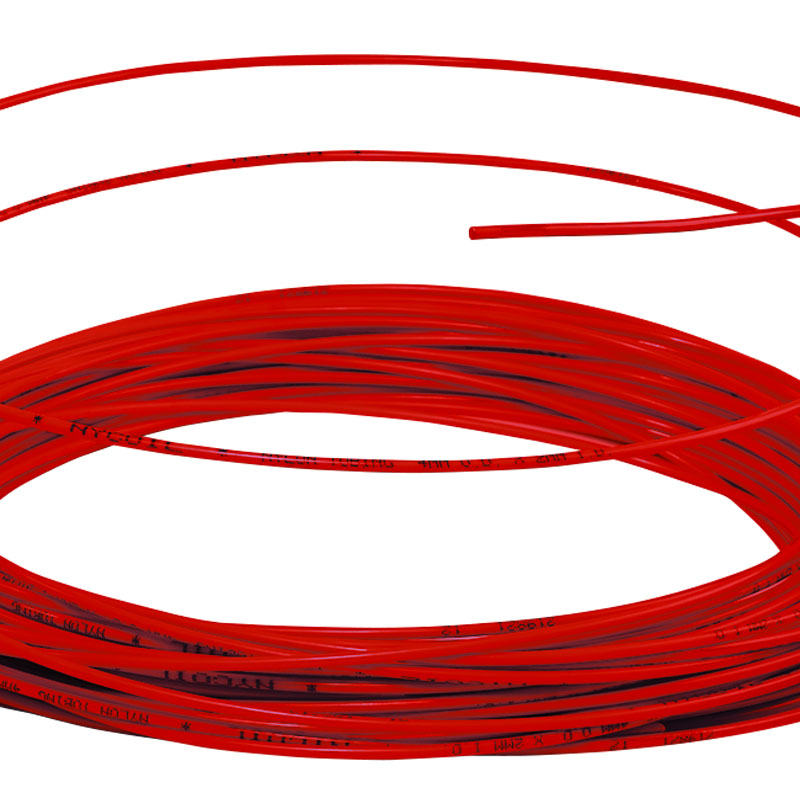
PA040/025/02 PA-hose
Content: 25 Meter (€1.17 / 1 Meter)
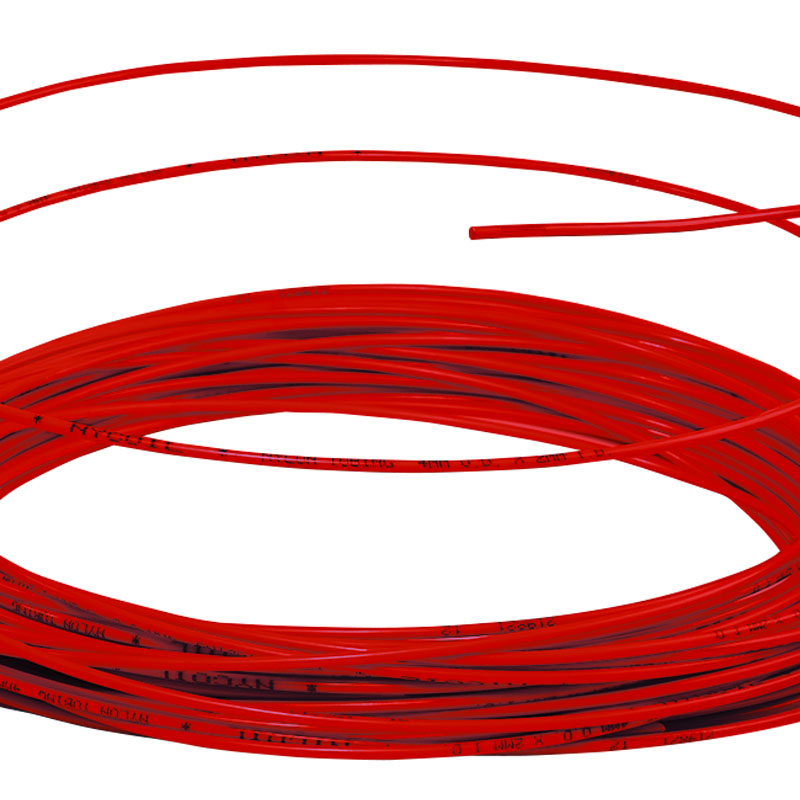

PA040/100/03 PA-hose
Content: 100 Meter (€1.13 / 1 Meter)
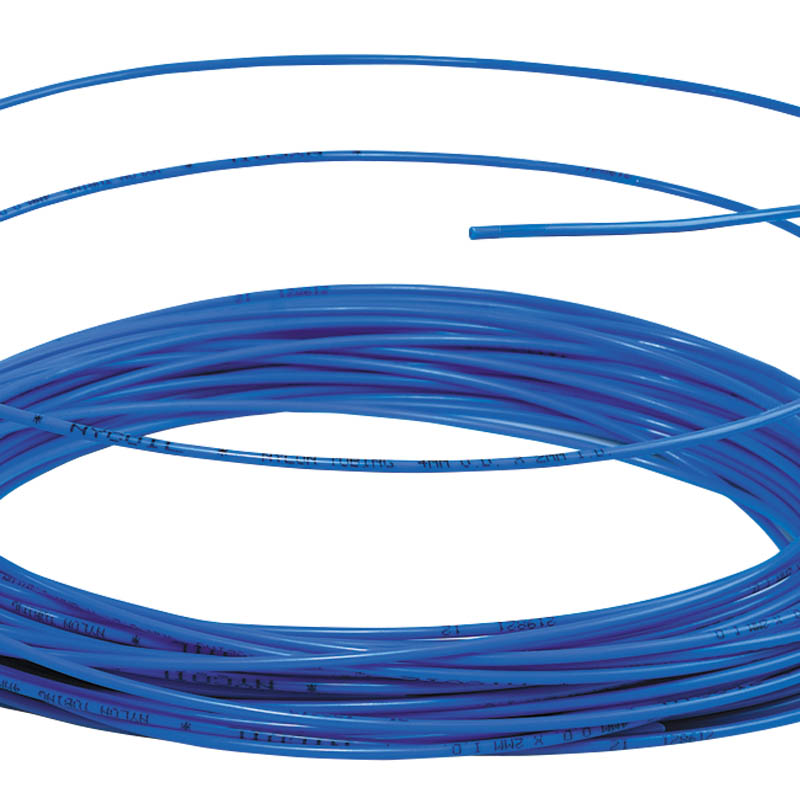
PA047/025/03 PA-hose
Content: 25 Meter (€0.85 / 1 Meter)
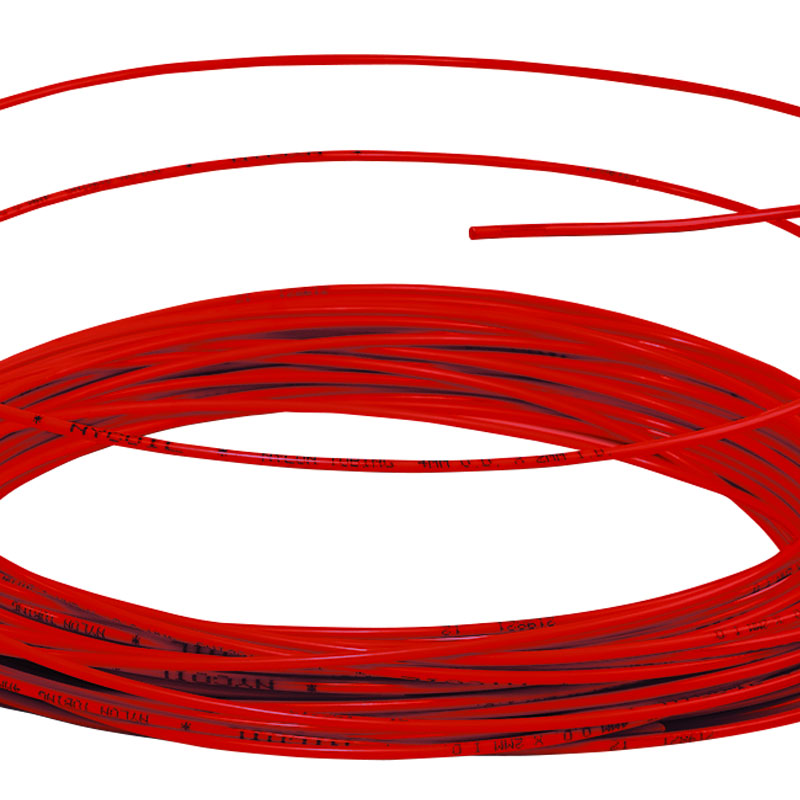
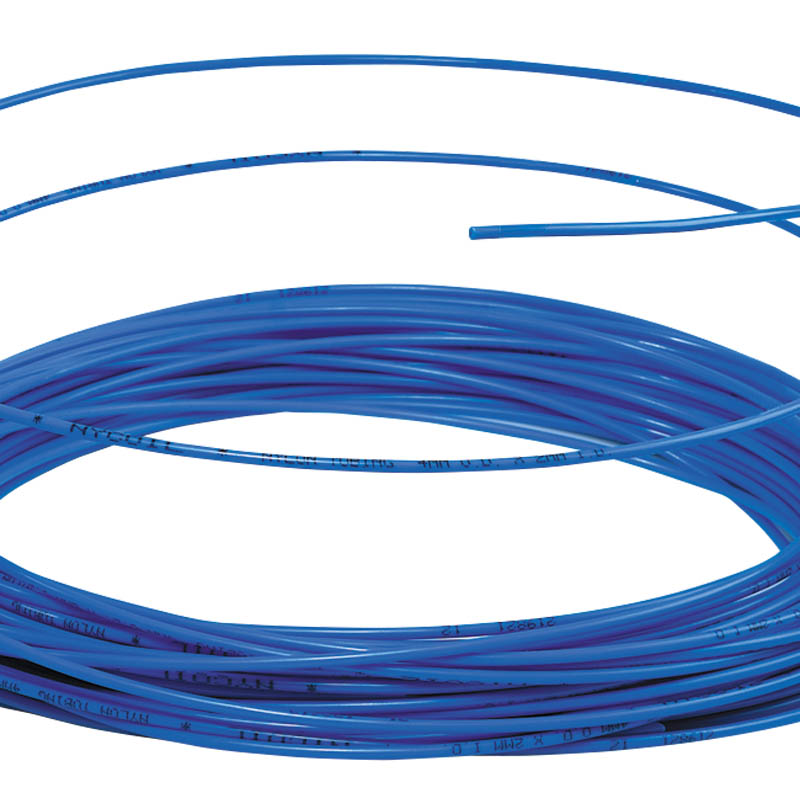
PA047/050/03 PA-hose
Content: 50 Meter (€0.99 / 1 Meter)

PA060/025/03 PA-hose
Content: 25 Meter (€1.96 / 1 Meter)
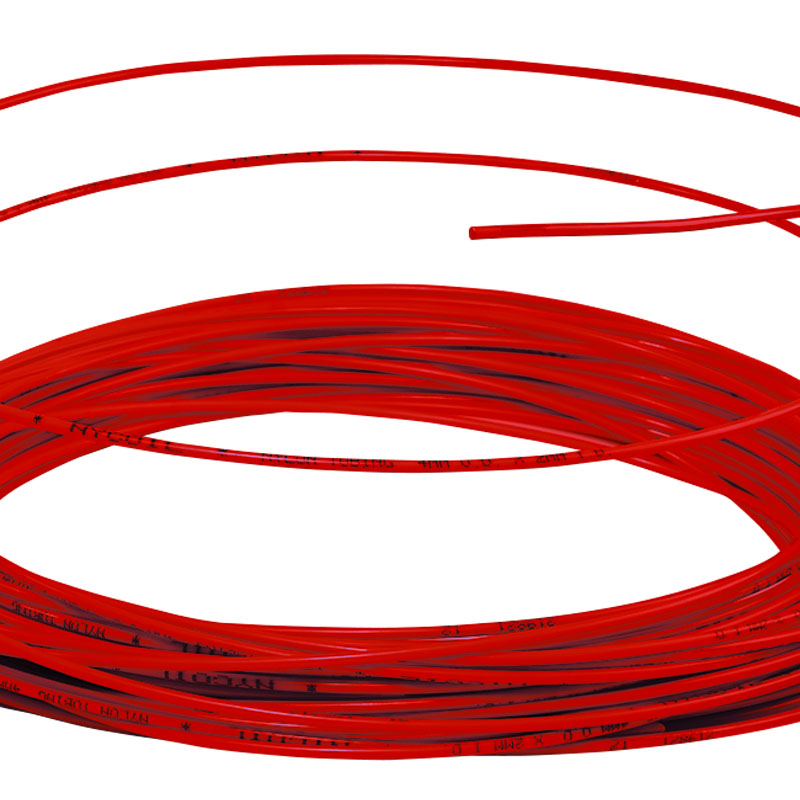
PA060/025/02 PA-hose
Content: 25 Meter (€2.05 / 1 Meter)

PA060/050/03 PA-hose
Content: 50 Meter (€2.27 / 1 Meter)
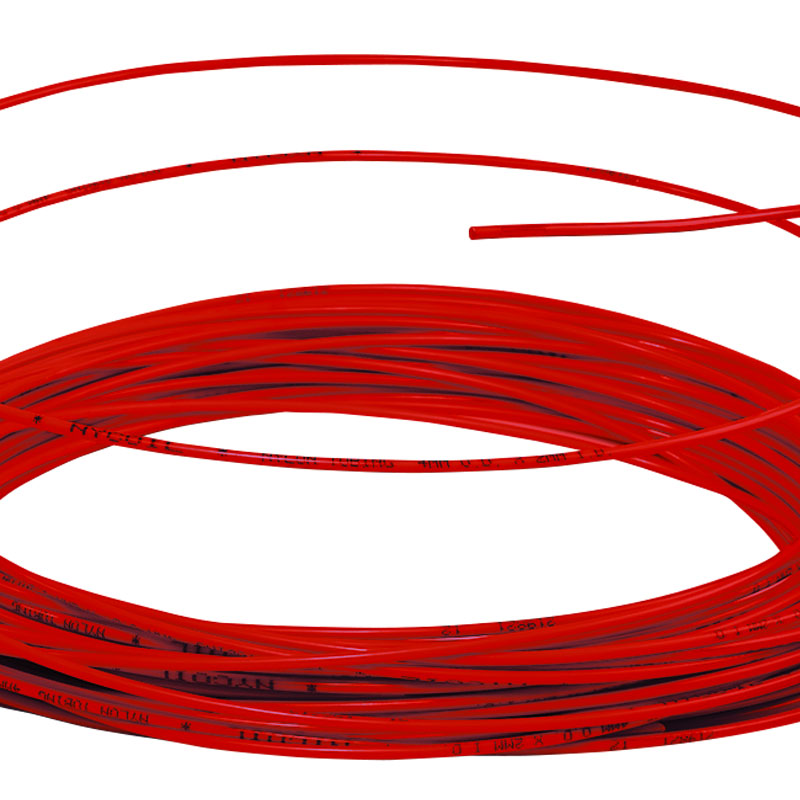
PA060/050/02 PA-hose
Content: 50 Meter (€2.27 / 1 Meter)
Straight Hoses for Compressed Air and Hydraulics – Construction, Materials, Application
Straight hoses for pneumatics and hydraulics are used when conduit routing without angle adapters, low pressure losses, and simple assembly are required. In this category, you will find straight pneumatic hoses and straight hydraulic hoses in various diameters, wall thicknesses, colors, and materials such as Nylon (PA), Polyurethane (PU), PVC, EPDM, FKM, Silicone, and various rubber qualities. The choice of the correct hose is based on pressure range, medium, temperature range, abrasion resistance, and compatibility with connecting elements and seals.
Construction and Materials — Properties and Application Limits
Nylon (PA) is characterized by high strength, good chemical resistance to oils and fuels, and low elongation; application areas include control and measurement lines as well as applications with moderate temperatures. PA hoses are suitable for pneumatics and offer good pressure resistance with a slim diameter. Polyurethane (PU) offers excellent abrasion resistance, very high flexibility at low temperatures, and good resilience; PU hoses are ideal for moving lines, such as in hand tools or robot cells. PVC offers cost-effective, chemical-resistant solutions but is less flexible in cold conditions and shows higher material aging under UV exposure. EPDM stands for very good weather and ozone resistance, is suitable for water and air, but is not oil-resistant. FKM (Viton) provides excellent resistance to high temperatures and aggressive media; typical applications are oil and fuel lines. Silicone impresses with a wide temperature range and good food compatibility but is mechanically less resilient. Elastomeric rubber compounds are used where damping and high elasticity are required.
Construction Variants and Sound Damping
Straight hoses are available as simple solid rubber hoses, as multi-layer composite hoses with fabric inserts (textile fabric), or as spiral-reinforced hydraulic hoses. Fabric hoses increase pressure resistance and reduce longitudinal expansion; they are preferred in applications with pulsating pressures. Spiral reinforcement offers maximum pressure resistance with flexibility in one plane and is preferably used for hydraulic lines with high operating pressures. For pneumatic hoses, a smooth inner wall reduces flow resistance; knobbed or profiled outer surfaces improve abrasion behavior and holding force in clamps.
Connections, Seals, Assembly Instructions
For straight hoses, straight fittings such as straight quick connectors, screw-in fittings, or press fittings are common. Pay attention to material compatibility: brass or stainless steel fittings are standard. NBR (nitrile) seals are universally applicable for oil and air applications; EPDM O-rings are used for water and steam; FKM seals are preferable for high-temperature and aggressive media. In hydraulic systems, form-fitting crimp connections or crimp sleeves with suitable wire ferrules are common. Mount straight hoses stress-free and avoid kinks. Bending with too small a radius reduces service life; observe the manufacturer's recommended bending radius. For moving applications, shorter hose lengths and hose guides are useful to minimize wear due to friction.
Temperature, Pressure, and Service Life
The selection depends on the maximum operating pressure (bar) and temperature range. PU and PA hoses typically cover pneumatic pressures up to medium hydraulic pressures; spiral-reinforced hydraulic hoses achieve significantly higher bar ranges. High-temperature cycles accelerate aging and embrittlement in PVC and some rubber compounds. FKM and silicone solutions offer greater temperature reserves, reducing failure rates in hot environments. Check the manufacturer's service life specifications in cycles for pulse pressure, static pressure resistance, and UV/ozone resistance for outdoor applications.
Application Fields and Practical Examples
Straight pneumatic hoses are used in assembly workstations to supply workpiece clamps and hand tools. Example: In an assembly line, a 6x4 mm PU hose is routed directly from the manifold to a pneumatic impact wrench. Due to the high flexibility of the PU hose, the line remains kink-free and withstands repeated movements, increasing its service life. In another production application, a PA hose conveys media to a measuring system, where the low longitudinal expansion and good pressure stability improve measurement accuracy. Hydraulic practical example: In a press system, a spiral-reinforced rubber hose replaces a rigid pipe between the pump and cylinder, which reduces assembly times and dampens vibration transmission. In food technology, a silicone-coated, smooth hose is used for hot air or steam lines; the high-temperature resistance and smooth inner surface simplify cleaning. For outdoor areas, EPDM hoses are used in air conditioning systems because they are UV and ozone resistant.
Selection Criteria – Quick Check
- Pressure range, temperature requirement, medium, bending radius, abrasion stress, material compatibility of seals
Practical Notes for Ordering and Storage
Order straight hoses by inner and outer diameter, working pressure, and temperature range. Specify length either as bulk material or pre-assembled with connections. Store hoses dry, dark, and lying flat to avoid plastic deformation. Separate different materials to avoid chemical interactions, and label stored goods by material and suitability for food or oil applications. For quick product selection, use our technical overview at https://maku-industrie.de/technik and specific application examples at https://maku-industrie.de/anwendungsbeispiele.
Testing, Quality Features, and Standards
Pay attention to test seals and specifications: operating pressure, test pressure, tensile strength, bending radius, heat resistance, and conformities (e.g., FDA for food, RoHS, REACH). Hydraulic hoses should have crimp or press points with documented tensile and pressure tests. Pneumatic hoses benefit from certified quick connectors with tested leak-tightness. Document test results in maintenance logs and plan interval tests for safety-critical systems.
Typical Sources of Error and How to Avoid Them
Common errors include incorrect bending radius, unsuitable seals, wrong temperature class, inadequate connection technology, and UV exposure without protection. Avoid these errors by matching the medium and seal, using appropriate crimp or screw connections, adhering to manufacturer specifications for bending radius, and using protective covers against abrasion and sun exposure.
FAQs
1. Which straight hose is ideal for moving pneumatic applications?
For moving applications, PU hoses are recommended due to their high abrasion resistance, flexibility, and resilience; choose the recommended bending radius and suitable quick connectors for repeated movements.
2. How do I choose the right seal for a hydraulic hose?
Choose sealing material according to the medium and temperature: NBR for mineral oils and general hydraulics, FKM for high temperatures and aggressive media, EPDM for water and steam lines. Also, consider compatibility with connection materials such as brass or stainless steel.
3. When is a spiral-reinforced hose necessary?
Spiral-reinforced hoses are necessary when high operating pressures, pulsating loads, or high-pressure peaks occur. They offer maximum pressure resistance with limited flexibility and are suitable for hydraulic lines with high demands on fatigue strength.