
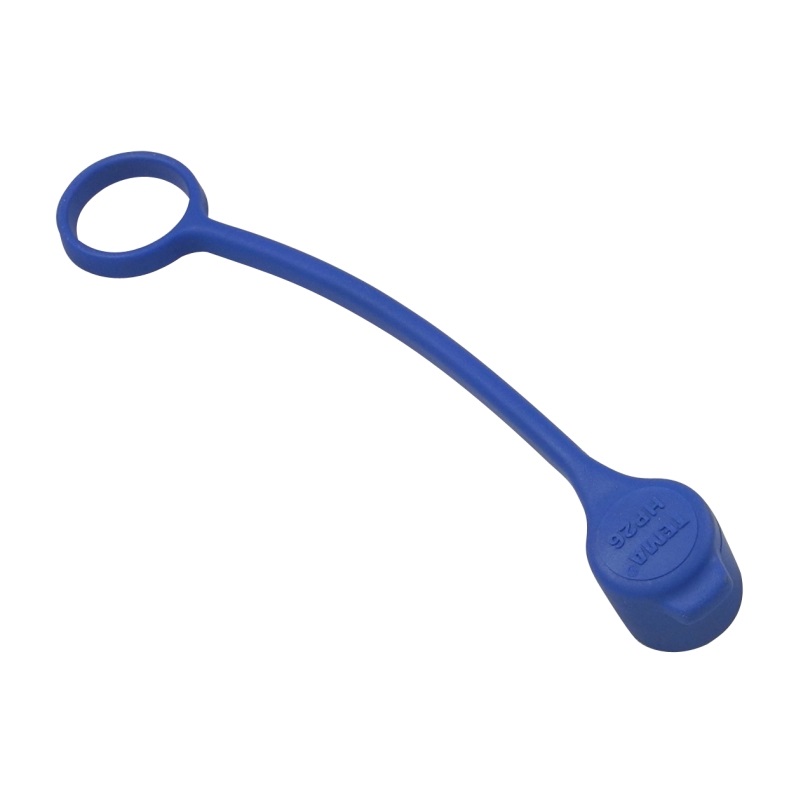
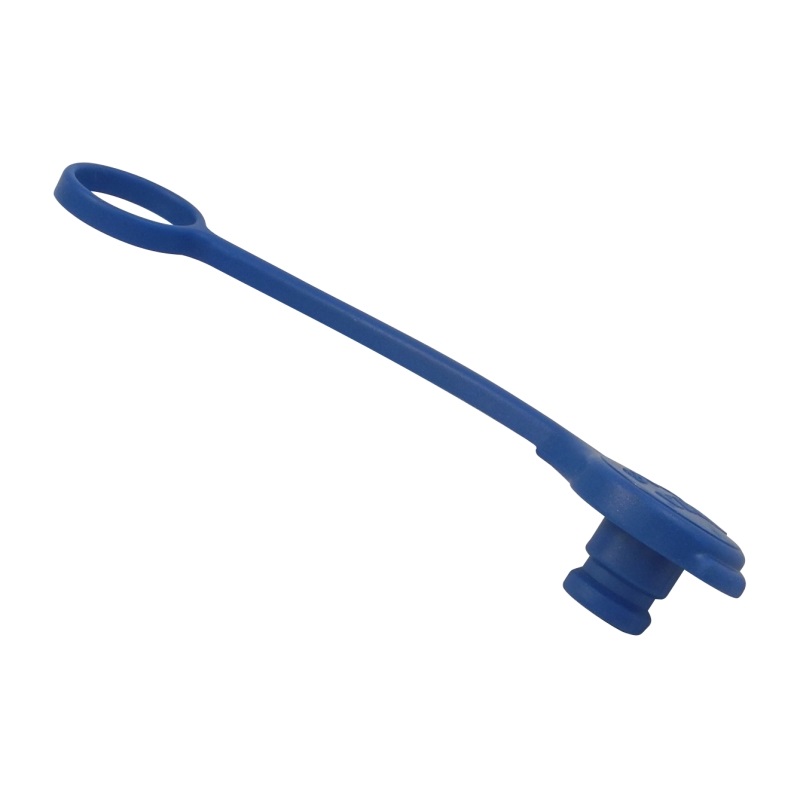
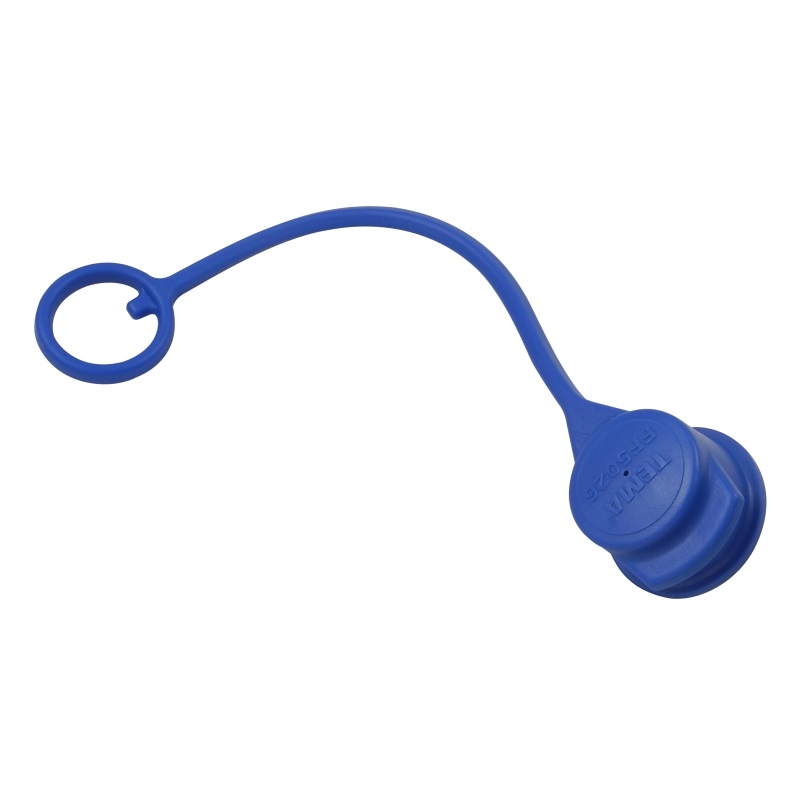
High quality dust protection for covering your hydraulic plugs and quick couplings


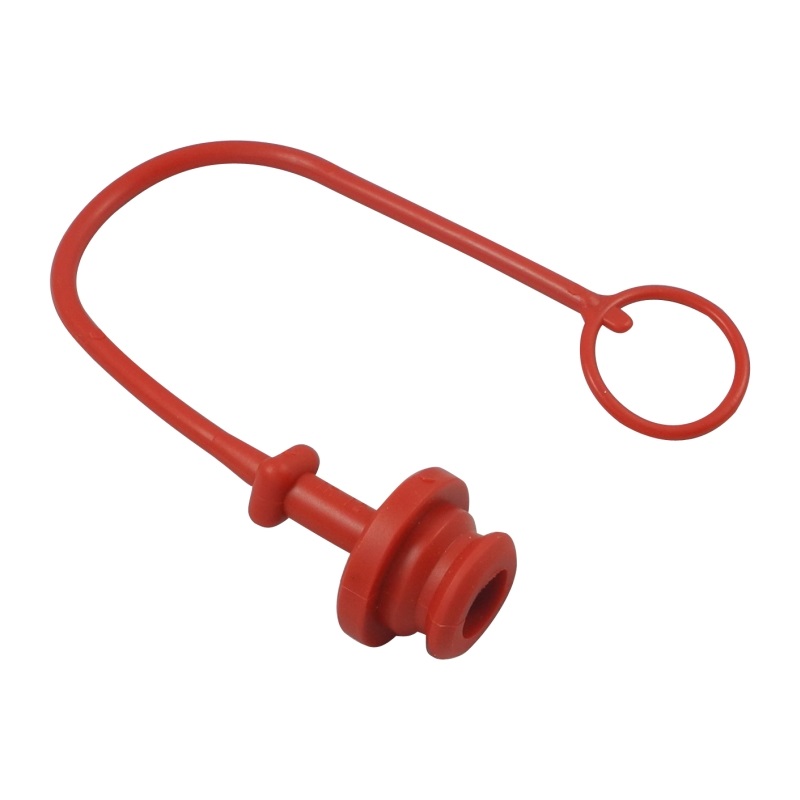


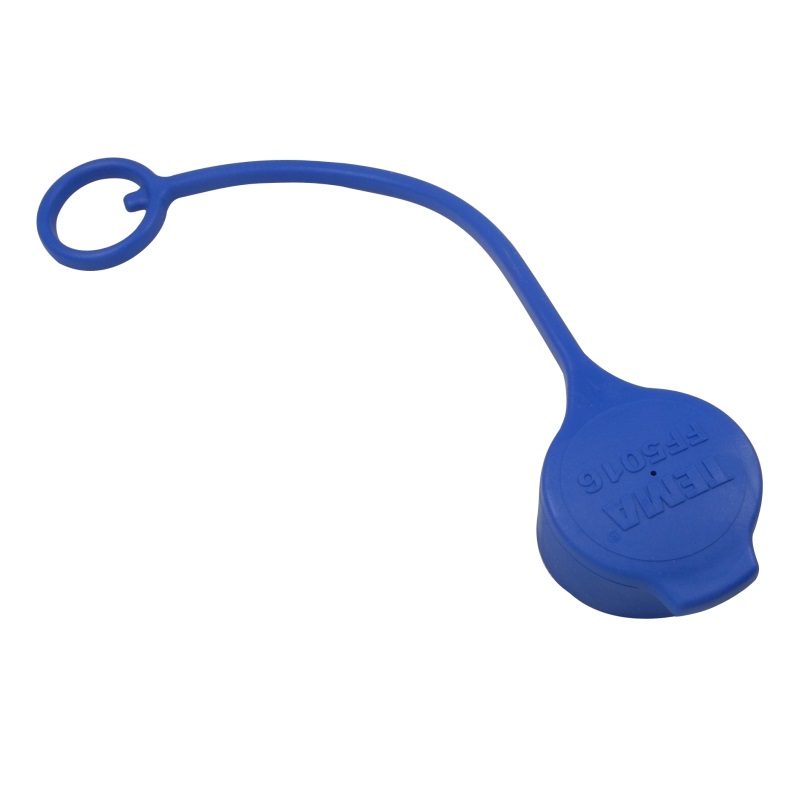

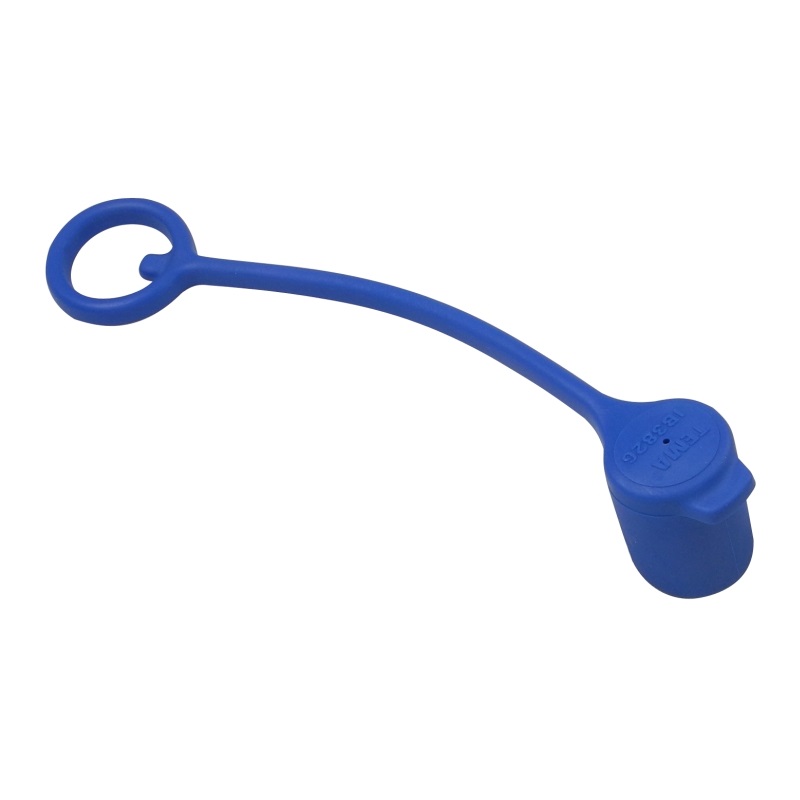

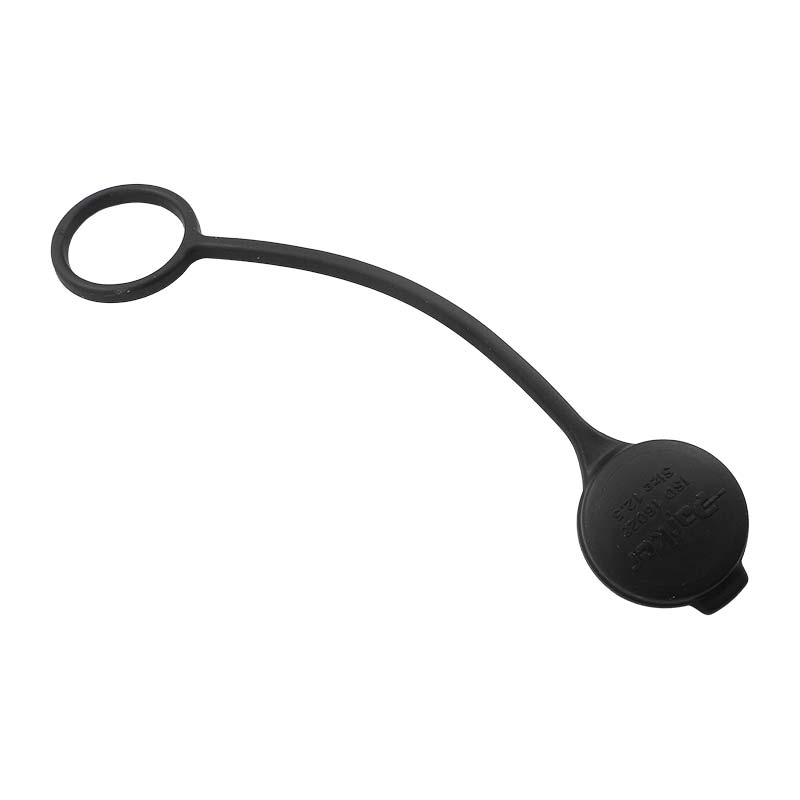


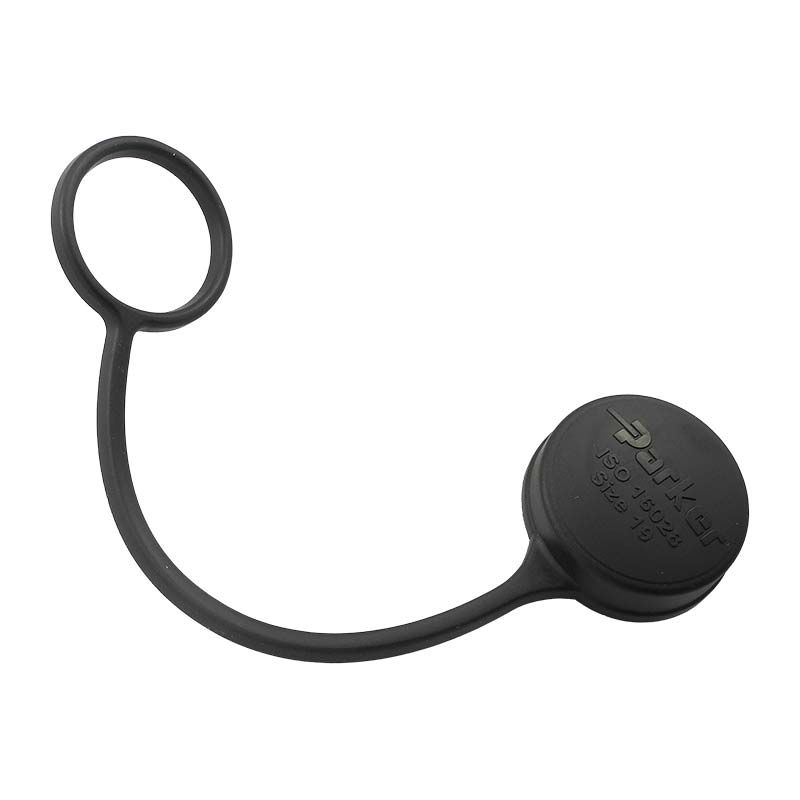
Function and Importance of Dust Caps in Hydraulics
Dust caps are indispensable components for protecting hydraulic quick-release couplings and shut-off couplings. They reliably prevent the ingress of dust, dirt, moisture, and other environmental influences into sensitive hydraulic systems. Without these protective caps, dirt particles can lead to damaged seals, leaks, or malfunctions in the hydraulic circuit. Dust caps preserve the functionality and longevity of hydromechanical connections, thereby reducing maintenance effort and downtime in industrial plants.
Materials and Designs of Dust Caps
Dust caps are manufactured from various materials tailored to different requirements in technical environments. Common plastics include polyethylene (PE), polypropylene (PP), or PVC, which impress with high flexibility and chemical resistance. Robust thermoplastics are also used to withstand mechanical stresses and extreme temperatures. For particularly demanding applications, protective caps made of metal, often aluminum or stainless steel, are used at higher temperatures and in corrosive environments. The designs are precisely adapted to the connection geometries of hydraulic quick-release couplings and connectors. A precise fit ensures complete sealing and thus reliably prevents the ingress of contaminants.
Areas of Application for Dust Caps
In practice, dust caps are used in various industrial sectors. Typical examples include:
- Mobile hydraulic systems in construction and agricultural machinery, where dust, soil, and moisture are common.
- Production units in the automotive and machine tool industries, which place the highest demands on cleanliness and reliability.
- Systems in the oil and gas industry, where the protective caps must withstand even aggressive media.
For further technical details and industrial application examples, please visit our page on application examples or learn more about our technical portfolio.
Practical Example: Dust Caps in Hydraulic Manufacturing
In a production line for hydraulic cylinders, quick-release couplings and connectors are often stored unprotected during transport and intermediate storage. Without protective caps, fine dust and metal shavings can accumulate at the contact points. This leads to leaks and premature wear during assembly. The consistent use of precisely fitted dust caps prevents the ingress of such contaminants. During the assembly phase, the caps can be easily removed and reattached when not in use, incurring no additional assembly effort. This practice significantly reduces downtime and increases system reliability.
Quality Requirements and Selection Criteria
When selecting suitable dust caps for hydraulic systems, in addition to fit accuracy, resistance to stress profiles must also be checked. Requirements that should be met include:
- Temperature resistance in the typical operating range of -40°C to +150°C, and significantly beyond for special materials.
- Chemical resistance to lubricants, hydraulic fluids, and environmental media.
- Mechanical robustness against shocks and vibrations during plant operation.
- Compatibility with the connection types and sealing concepts used.
These features ensure that the dust caps provide protection not only in the short term but also permanently. The caps also often comply with common norms and specifications from the hydraulics industry, which facilitates replacement and spare parts procurement.
Advantages in Application
Innovative dust caps extend the lifespan of hydraulic components and increase operational safety. They minimize cleaning effort and protect against uncontrolled wear. The selection of the correct design and seal also ensures easy handling and a secure fit, even in harsh industrial environments.
FAQs about Dust Caps
1. For which connection sizes are the dust caps suitable?
Our dust caps cover a wide range of connection sizes, from small quick-release couplings to large couplings several centimeters in diameter. The selection is based on common hydraulic standards and the individual requirements of your hydraulic system.
2. How do I choose the right material for my application?
The material depends on operating conditions such as temperature, chemical exposure, and mechanical stress. Plastic caps are suitable for many standard cases, while metal caps are recommended for higher temperature ranges or aggressive media.
3. Can I reuse dust caps multiple times?
Yes, our dust caps are designed for repeated use. The materials are resistant to aging and mechanical stress, so the caps can, of course, be attached and removed very frequently with proper handling, which increases operational efficiency.
For further technical information and practical application solutions, we recommend the Technology and Application Examples pages on our website.