
Best quality plugs for hydraulics by Rectus
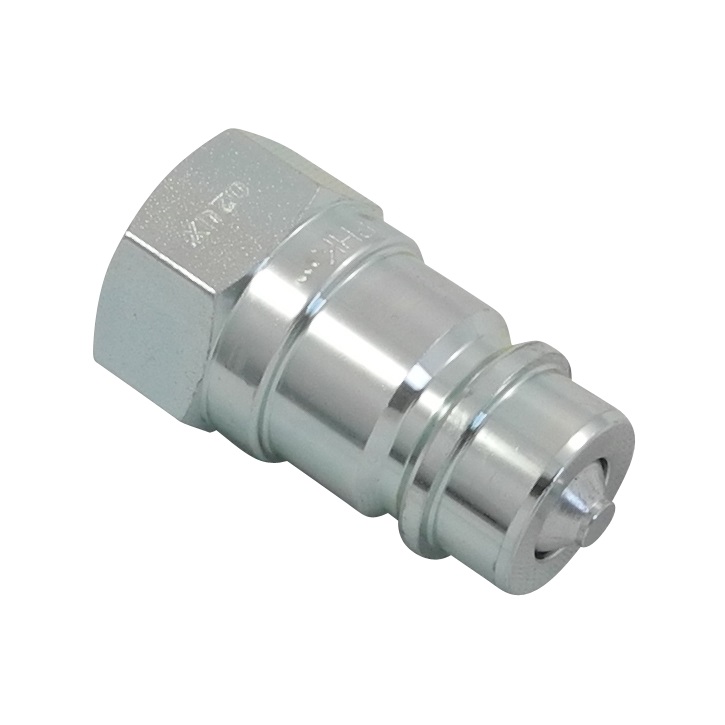
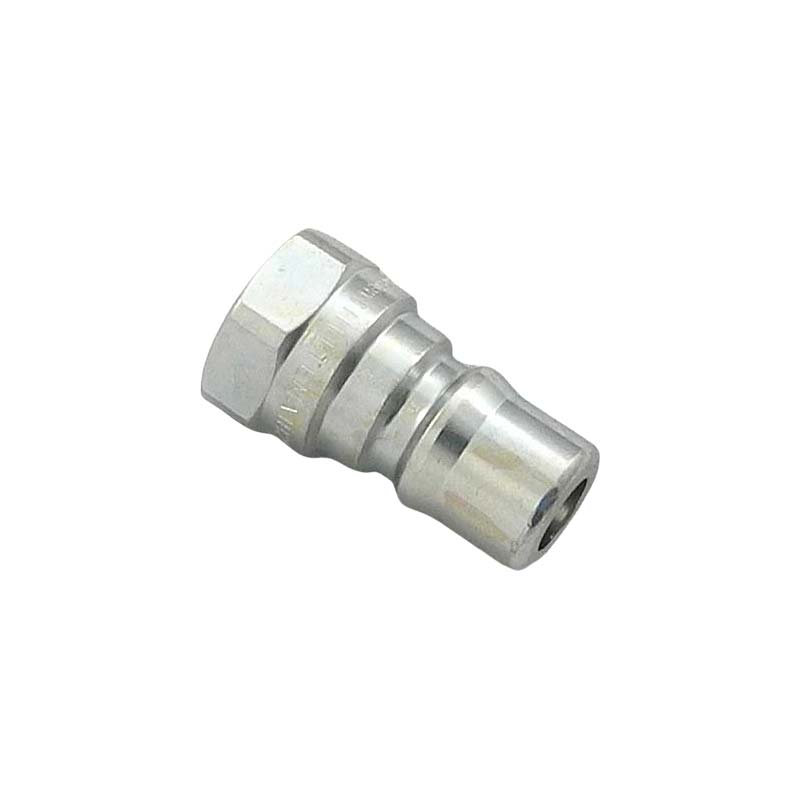
IB2520 UV Hydraulic plug

10020 Hydraulic plug
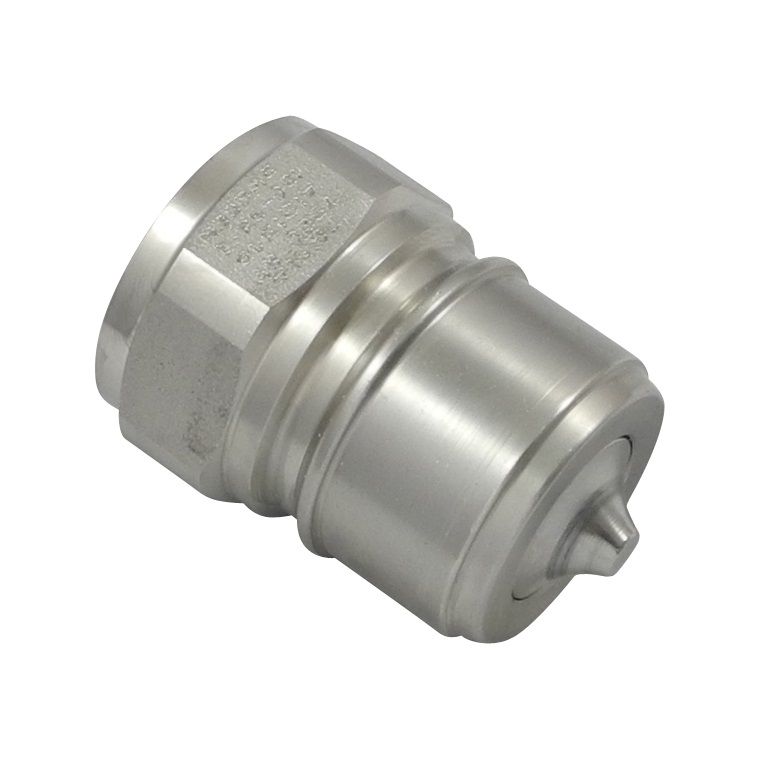
7520 RV Hydraulic plug

2520 UV Hydraulic plug

FEM-752-12FB Hydraulic plug
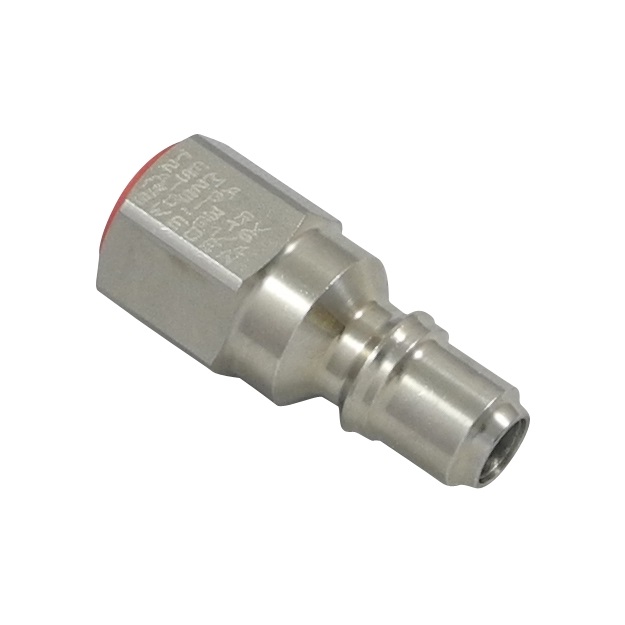
2520 RV Hydraulic plug

2520 V Hydraulic plug
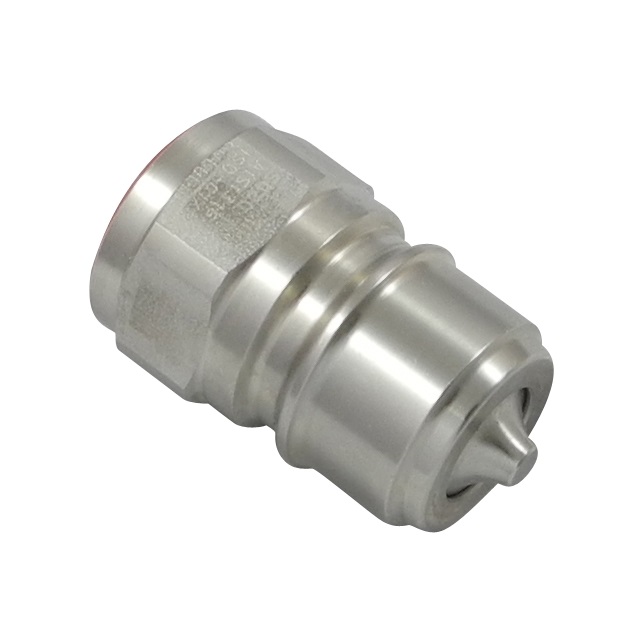
5020 RV Hydraulic plug
FEM-122-2FB Hydraulic plug
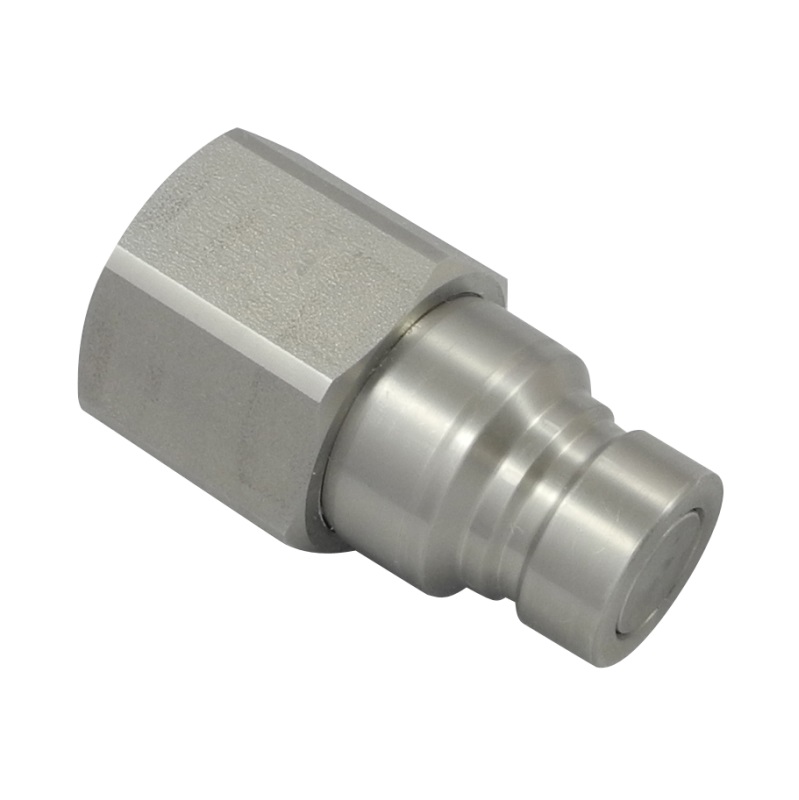
IF5020 RV Hydraulic plug

3820 RV Hydraulic plug
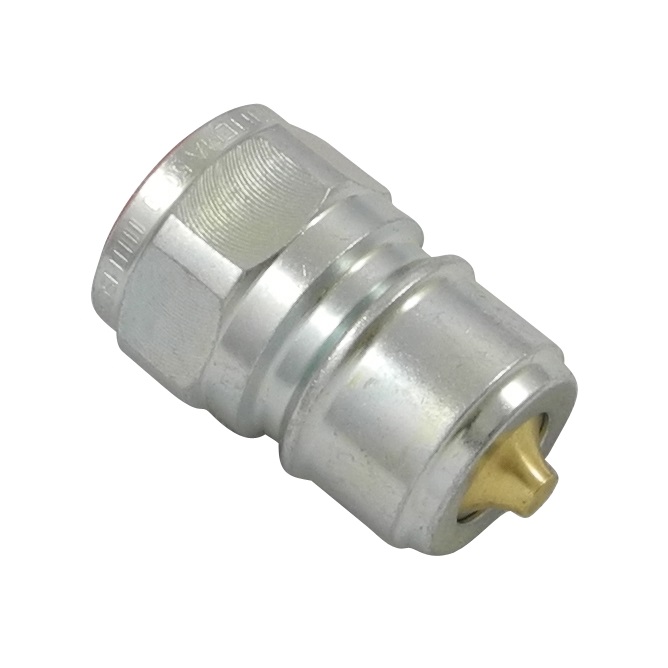
5020 V Hydraulic plug
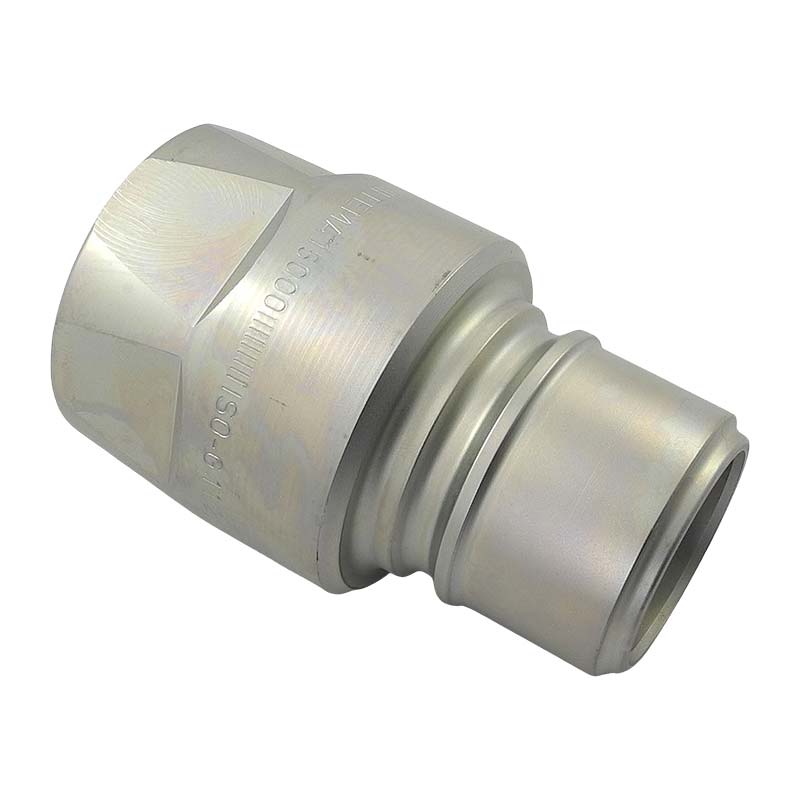
15020 UV Hydraulic plug
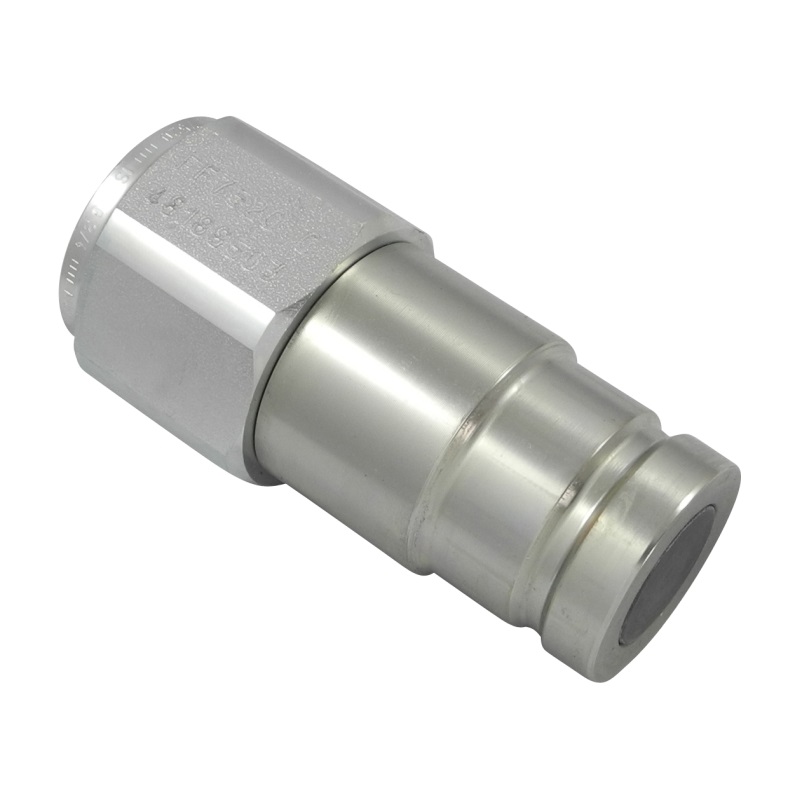
FF7520 C Hydraulic plug
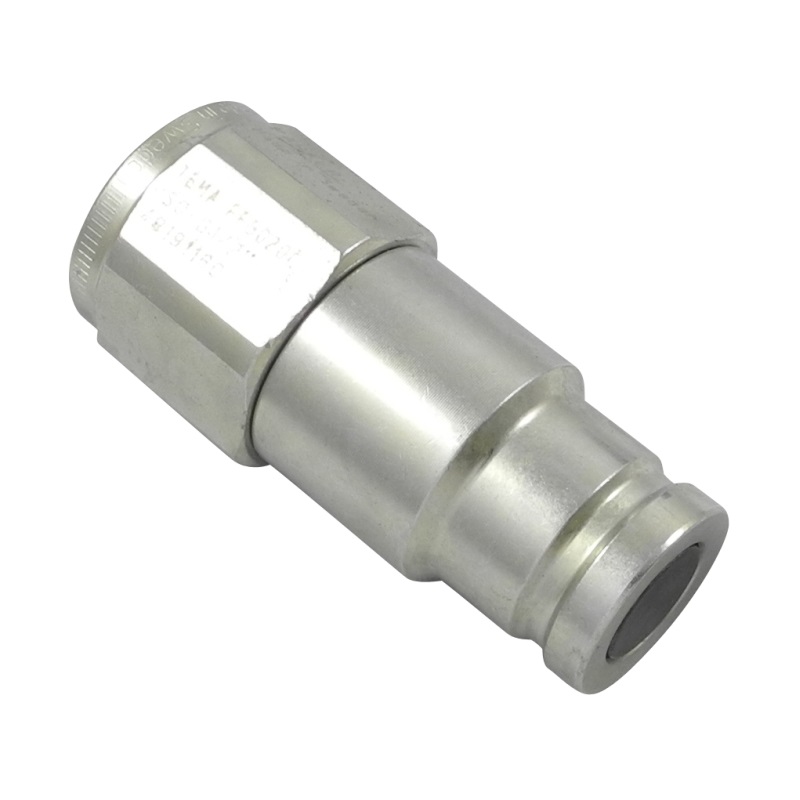
FF5020 C Hydraulic plug
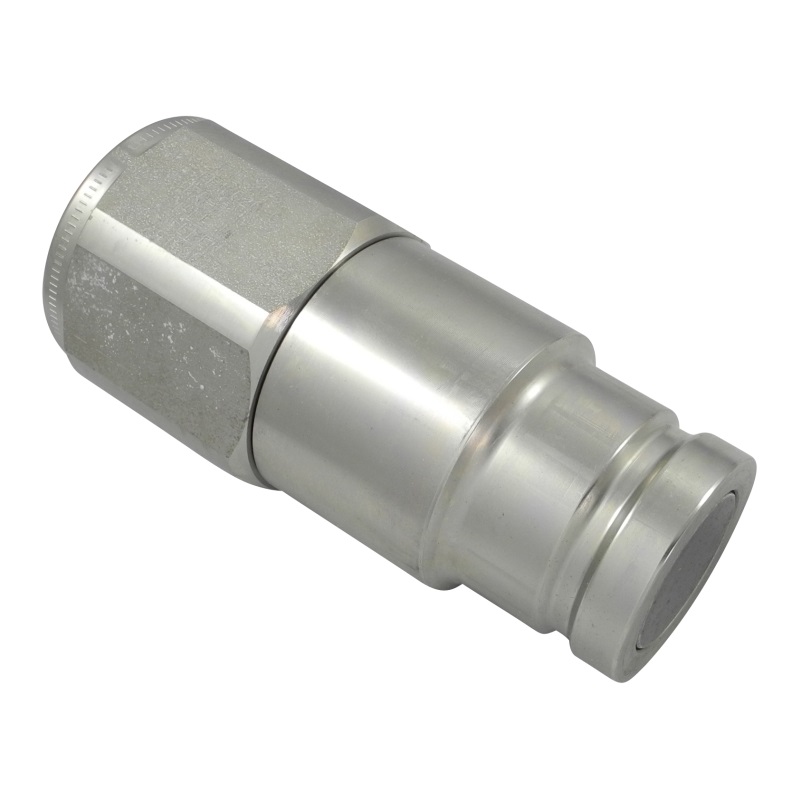
FF10020 C Hydraulic plug
FF7521 C Hydraulic plug
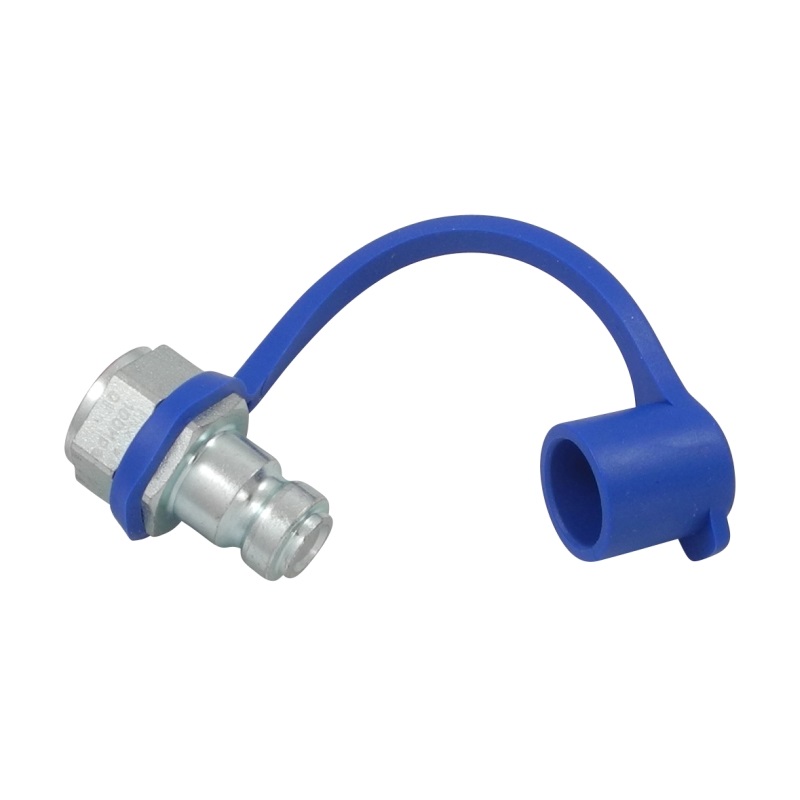
HP1020 413 Hydraulic plug
3820 Hydraulic plug

IB2521 Hydraulic plug
2520 RHUV Hydraulic plug

5020 Hydraulic plug
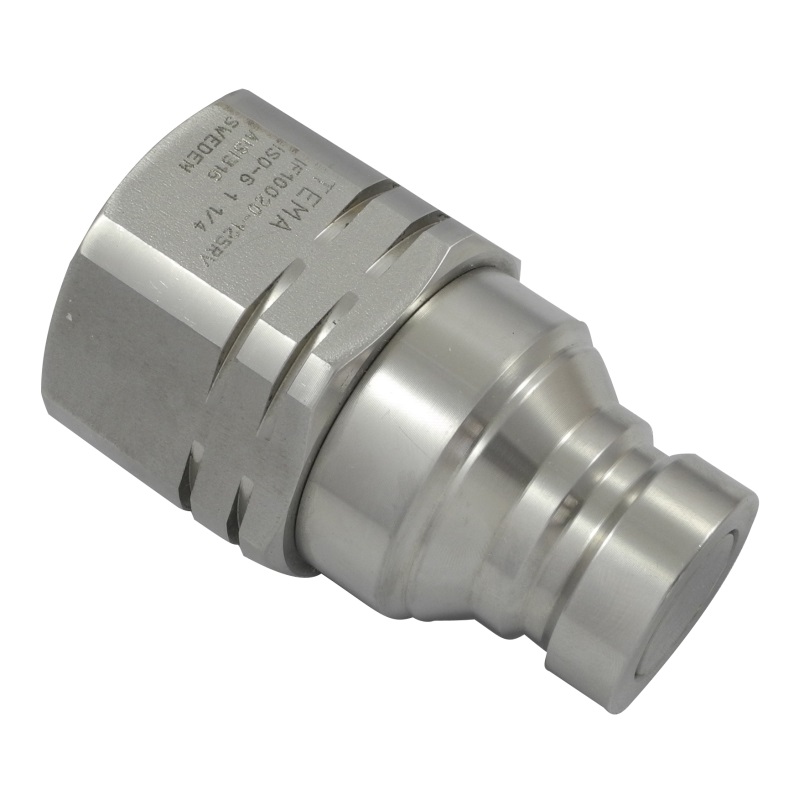
IF7520 RV Hydraulic plug
Buy Rectus Hydraulic Plugs of the Best Quality
Hydraulic plugs from Rectus offer precise sealing, robust material selection, and diverse connection options for industrial applications. The choice of the correct plug influences sealing integrity, flow behavior, and field interchangeability. On this page, you will find plugs in various nominal sizes, shut-off mechanisms, and materials, suitable for pressure ratings from compact hydraulics to heavy-duty systems. For detailed technical data sheets and further information, please visit our technical page at https://maku-industrie.de/technik.
Materials and Corrosion Protection
Rectus plugs are available in brass, galvanized steel, stainless steel (AISI 304/316), and high-strength steels with surface coatings. Brass combines good machinability with sufficient corrosion resistance in non-aggressive media. Galvanized steel offers cost advantages and mechanical strength but is more susceptible to corrosion in saline environments. Stainless steel (especially 316) is used when resistance to corrosive fluids, cleaning media, or hygienic conditions is required. Material selection significantly determines service life and maintenance intervals.
Designs and Nominal Sizes
Designs range from cylindrical quick-release couplings to flat bayonet or threaded versions, and special screw-in plugs for permanent connections. Nominal sizes cover common industry standards: from small connections for control hydraulics to large diameters for main supply circuits. Integral design features such as reinforced bundle flanges, hardened valve tips, or axially guided locking mechanisms influence pressure resistance and service life under continuous load.
Seals and Material Selection
Sealing technology is central. Rectus uses NBR, FKM (Viton), EPDM, and PTFE-supported sealing systems depending on the application. NBR is suitable for mineral oils and standard hydraulic fluids, offering good abrasion resistance. FKM is used at higher temperatures and in contact with synthetic hydraulic fluids. EPDM is suitable for brake or water applications but is sensitive to oil. PTFE-based seals reduce friction and wear in high-pressure or fast-switching systems. The correct choice of sealing material prevents leaks and reduces maintenance effort.
Connection Types and Installation Scenarios
Rectus plugs are available as screw, push-in (quick-release), or flange connections. Screw connections (e.g., BSPP, BSPT, NPT, metric threads) provide a permanent connection with high sealing integrity. Quick-release couplings allow tool-free disconnection and are preferred for mobile equipment and cycle-based systems. Flange connections are used for large nominal sizes and high-pressure loads. The selection depends on requirements for assembly speed, change cycles, and pressure class.
- Typical connection types: Screw threads (BSP/NPT/metric), quick-release (Flat-Face, ISO 7241), flange connections
Pressure Ratings, Flow, and Valve Technology
Hydraulic plugs are graded for operating pressures from low control pressures to over 500 bar. The pressure class determines material thickness, locking mechanism, and valve design. Valves in plugs can be spring-loaded or pressure-activated; they prevent media loss during disconnection. Flow coefficients (Kv/Orifice-Ø) are crucial for system design: small cross-sections cause pressure losses and heat generation, large cross-sections reduce these effects but require more voluminous couplings. Choose plugs with documented flow coefficients suitable for pump performance and line length.
Practical Installation Examples
In a hydraulic machine tool with cyclic operation, quick-release couplings with flat-face geometry are used to minimize air intake and oil loss during tool changes. The connection consists of a stainless steel plug with an FKM seal; a spring-loaded valve closes upon disconnection, allowing residual pressure to be released in a controlled manner. For pressure supply to large cylinders in a press, screwed flange connections made of high-strength steel with PTFE-supported seals are used to compensate for thermal expansion and high load cycles. In a mobile vibratory machine, the user combines Rectus plugs made of galvanized steel with NBR seals; the quick coupling allows quick attachment and detachment of hydraulic tools directly on the machine without oil leakage.
Maintenance, Replacement, and Compatibility
Maintenance intervals depend on the operating scenario and media quality. Visual inspection for damage to sealing surfaces and spring mechanisms is part of every inspection. Seals should be replaced at the first signs of cracks or hardening. When replacing, ensure compatibility of sealing material, material, and valve characteristics. Rectus plugs follow common standards, so replacement components are usually compatible; however, always check thread type, locking type, and flow cross-section before ordering.
Safety Aspects and Standards
Hydraulic plugs are subject to pressure equipment directives and relevant ISO standards (e.g., ISO 7241 for quick-release couplings). Safety-relevant points include locking mechanisms against unintentional disconnection, pressure-dependent valve closure, and breaking strength of connection elements. In safety-critical applications, locking mechanisms with secondary securing or locking brackets are preferred. Documentation of permissible operating pressures and regular pressure tests are mandatory for plant operators.
Selection Aid for Your Project
Choose the nominal size according to hydraulic load and desired flow performance. Determine the sealing material based on the medium and temperature range. Decide between screw or quick coupling based on maintenance intervals and assembly frequency. If in doubt, the technical data sheets and application examples on our page provide concrete comparison values; further applications can be found at https://maku-industrie.de/anwendungsbeispiele.
Procurement and Storage Notes
Store in a dry and temperature-controlled environment to prevent seal deformation. Store replacement seals separately to prevent hardening due to contact with metal surfaces. Order replacement components by serial numbers or product codes to ensure precise fit. For series procurement, considering alternative material options for different application sites is worthwhile to minimize short-term failures.
Practical Application Examples
1) Assembly line in automotive manufacturing: Rectus plugs with flat-face quick couplings and FKM seals are used here to change tool groups without oil loss during daily cycle operations. 2) Hydraulic press in series production: Screw flanges made of high-strength steel and PTFE seals ensure a high number of cycles and minimal maintenance interruptions. 3) Mobile maintenance equipment: Compact measuring and flushing units use brass plugs with NBR seals, as they are lightweight, cost-effective, and suitable for standard hydraulic fluids. In all examples, documented flow coefficients and correct sealing material selection are prerequisites for reliable operation.
Scope of Delivery and Accessories
Rectus plugs are often supplied including a standard seal and retaining clip. Optional accessories include replacement seal kits, protective caps, locking brackets, and mounting tools. When purchasing, check whether connection parts such as counterparts or adapters for existing lines are needed to enable quick commissioning.
Contact and Technical Consultation
For customized recommendations on integrating Rectus plugs into your system, we offer technical consultation and support with material and type selection. Use the product pages and technical data sheets or contact our technical sales department directly via the shop page.
FAQs
1. Which seals are suitable for hydraulic oils?
NBR is standard for mineral oils; FKM is suitable for higher temperatures and synthetic media; EPDM is only suitable for water-based media; use PTFE-supported seals when low friction and high chemical resistance are required.
2. When should I choose a quick coupling instead of a screw connection?
Choose quick couplings for frequent connecting/disconnecting, mobile applications, or when fast maintenance cycles are required. Screw connections offer higher sealing integrity and are better suited for permanent, high-pressure installations.
3. How do I check the compatibility of a Rectus plug with my system?
Compare thread/connection type, nominal size, permissible operating pressure, and sealing material. Check flow coefficients (Kv) and valve characteristics. Use technical data sheets and application examples or contact technical support via our technical page for a release check.